
Did you know?
Cooking appliances are the most common cause of house fires in the UK.
Two fires a day are started by candles.
Faulty electrics (appliances, wiring and overloaded sockets) cause around 4,000 fires in the home across the country every year.
How we keep you and your home safe
As a landlord, we’re committed to supporting healthy, safe homes for our tenants, through offering guidance and meeting our regulatory duties.
To help keep you and your home safe, we check your smoke alarm as part of your annual gas safety check. During this visit we also check your gas appliances to make sure they’re safe for you to use.
The electrical installations in your home are checked every five years. A qualified electrician will undertake a thorough inspection of your home, checking wiring, plug sockets, fuse boxes and light fittings.
If you live in an apartment block or extra care scheme, our fire safety team will visit regularly throughout the year to carry out inspections and ensure a dedicated fire evacuation policy is in place. In these homes, you will either have a ‘stay put policy’ or ‘simultaneous evacuation policy’ in place. To find out the policy for your home, check the fire signage located around the building and please do familiarise yourself with this.

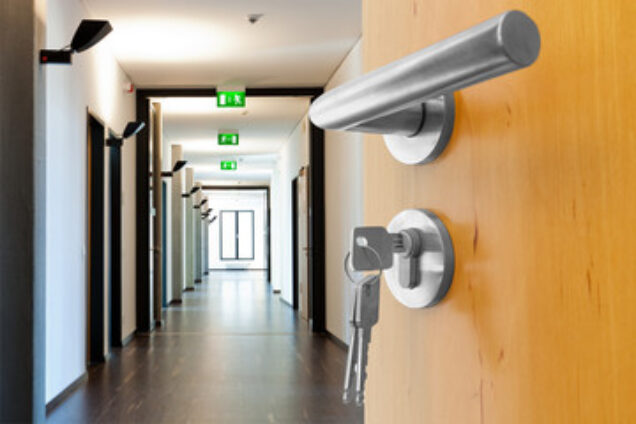
Top tips for staying safe at home
- Keep your escape routes clear of clutter.
- Avoid blocking exits with items such as bikes or boxes of belongings.
- Make sure you and your family have an escape plan in place in the event of a fire. We suggest practicing your escape plan with your children, you can even turn it into a game.
- Switch off and unplug appliances, such as TVs, before you go to bed.
- If you live in an apartment block, keep communal areas clear of any items at all times.
- Make sure candles are not on or near anything that could catch fire and make sure they are put out when you leave the house or go to bed.
- Don’t overload your plug sockets, use a maximum of one plug in each socket.
- Make sure you put out and dispose of cigarettes properly and keep matches and lighters away from children.
E-scooters and e-bikes
These are becoming a popular way of getting around, but did you know that most fires relating to e-scooters and e-bikes that happen at home, are when they’re being charged? If you need to charge your e-scooter or bike, please consider these tips to keep you and your neighbours safe:
•Reduce the risk of overheating by allowing your bike or scooter battery to cool down before re-charging.
•Never block your escape route and charge them somewhere away from a main through-route or exit.
•When charging your e-bike or e-scooter, don’t leave them unattended or put them on charge when you’re asleep.


Ask Zena
Do you have a question for our Fire Safety Officer?
Our Fire Safety Officer, Zena, is available to answer any fire safety questions you may have.
Have you got a question? Ask Zena here.
Zena replied, “Yes. You should always call the fire service, even if the fire looks small or you think it is out.
Please dial 999 straight away and ask for the fire service.
Sometimes a fire can spread without you seeing it. It can hide in walls or ceilings and could affect your neighbours too. The fire service can check your home and make sure everyone is safe.
Please don’t ever worry about calling them. If you have a fire:
Get out, stay out, and call 999.
We also encourage you to know the safest way to leave your home in an emergency.
At night, please keep all doors closed, especially the kitchen and living room doors, as this helps stop fire and smoke from spreading.
Here are some tips to reduce the chances of a house fire:
- Stay in the kitchen when you are cooking.
- Clean your tumble dryer’s lint filter after every cycle.
- Do not “daisy chain” extension leads (this means plugging one extension lead into another).
When charging electrical items:
- Charge them in the daytime when you are awake.
- Use the charger that came with the device.
- Charge on a hard, flat surface – not on beds, sofas or carpets.
- Do not leave devices charging unattended.
You can find more information on our website here: Fire Safety – Hafod”
Fire safety links
Please click on the links for advice to prevent fires in your home.
Some of the content may be upsetting as they contain real life stories where people had passed away due to fire, but their families want to share their story, so it doesn’t happen to others.